

Did You Know the Water You Drink Could Impact Your Teeth and Bones?
What Is Dental Fluorosis?
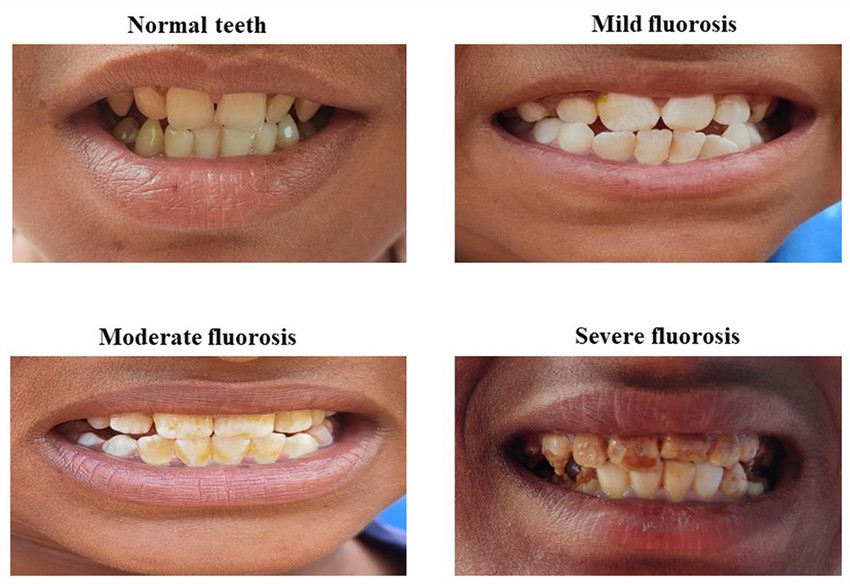
Dental fluorosis is a developmental condition caused by excessive fluoride intake during early childhood, typically up to the age of 8. Fluoride, being colorless, tasteless, and odorless, often goes unnoticed until its effects manifest as discoloration or mottling on children’s teeth.
Once fluorosis sets in, it is irreversible. Treatment options, which are primarily cosmetic, can be costly and may not fully restore the teeth’s natural appearance.
The increasing presence of dental clinics in nearly every major shopping mall reflects a growing demand for dental care. This surge points to the rising prevalence of dental fluorosis and related conditions, underscoring the urgent need for preventive measures, such as ensuring access to clean, fluoride-safe drinking water.
How Much Fluoride Is Too Much?
The WHO recommends a fluoride limit of 1.5 mg/L in drinking water to balance dental benefits with health risks. However, levels as high as 18 mg/L in some regions greatly increase the risk of dental fluorosis, causing irreversible tooth discoloration in children under 8. This underscores the urgent need for better water quality management and access to safe drinking water.
How to Identify Dental Fluorosis
Fluorosis typically appears as:
- Faint white lines or opaque patches on the teeth
- Yellow or brown stains
- In severe cases: pitting, rough surfaces, or brittle enamel
It is a dose-dependent condition—the more fluoride consumed over time, the more severe the damage.
Common sources include fluoride-rich borehole water, municipal water, and young children swallowing fluoride toothpaste.
Concerned about fluoride in your water?
Darirose Enterprises Ltd offers advanced Reverse Osmosis technology that removes excess fluoride from bore hole and municipal water.
💧 We offer both small and large scales solutions such as homes, schools, churches, clinics, and gated residential areas.
📞 Contact us today to learn more or schedule a site visit.
Water Testing and Fluoride Treatment
- Collect a raw water sample in a clean container.
- Submit it to a certified public or private lab for analysis.
- Receive the official water analysis report.
- If fluoride levels exceed the recommended limits (e.g., >1.5 mg/ as per WHO standards), consider installing a Reverse Osmosis (RO) system to reduce them. Raise awareness in your community by sharing this article.